
Looking for places to sell your handmade crafts? You have more options than Etsy and craft fairs. Depending on what you make, you could sell through online marketplaces, local events, retail stores, galleries, specialty expos, corporate buyers, or your own website.
I’ve sold my handmade products through hundreds of craft shows, online marketplaces, wholesale accounts, galleries, boutiques, and my own fine crafts gift shop. One lesson I’ve learned is that the most popular place to sell crafts isn’t always the most profitable place for your particular products.
Sometimes your best customers are shopping somewhere you wouldn’t ordinarily think to look. A friend of mine wove rugs and arranged for several restaurants to mount them on their walls for sale.
This guide explores where to sell handmade crafts, how different selling channels work, and how to choose the opportunities that fit your products, prices, and personal goals.
Where Can You Sell Handmade Crafts? A Quick Comparison
| Selling channel | Best suited for | Main consideration |
|---|---|---|
| Etsy | Jewelry, accessories, gifts, personalized products, home décor | Competition and marketplace fees |
| Amazon Handmade | Repeatable handmade products with broad appeal | Referral fees, competition, fulfillment |
| eBay | Collectibles, specialty products, vintage-inspired crafts | Buyer expectations and competition |
| Your own website | Makers building a recognizable brand | You must attract your own visitors |
| Craft fairs and festivals | Products customers enjoy seeing and touching | Booth expenses and time |
| Farmers markets | Locally made gifts, soaps, pottery, textiles | Market rules and customer fit |
| Retail stores | Consistently produced merchandise | Wholesale pricing and margins |
| Galleries | Fine craft, art, and one-of-a-kind work | Selection standards and commissions |
| Specialty expos | Products serving a particular interest group | Finding the right audience |
| Corporate buyers | Custom gifts, awards, promotional merchandise | Production capacity and deadlines |
| Home parties and pop-ups | Demonstrable products and gift items | Promotion and hosting |
| Open studios | Art, pottery, weaving, woodworking, and other studio crafts | Location and visitor traffic |
You don’t have to choose just one. Many successful makers combine two or three selling channels so they aren’t dependent on a single marketplace or event. My biggest income sources are craft fairs. But I always get shoppers who are in a hurry and ask if I have a website. The next week, I’ll typically get three to five sales from business cards I handed out at fairs.
1. Sell Handmade Crafts on Etsy
Etsy is one of the most familiar places to sell handmade items online.
Its shoppers already come looking for creative, personalized, and unusual products. That gives makers an advantage over starting a website where no one knows they exist.
Etsy can work especially well for:
Handmade jewelry and accessories
Personalized gifts
Wedding and party products
Fiber arts and textiles
Pottery and home décor
Original artwork
Seasonal decorations
But don’t mistake access to a large marketplace for guaranteed sales.
Your listings compete with many other sellers. Great photography, descriptive titles, competitive positioning, customer reviews, and a profitable pricing strategy all matter.
What does it cost to sell on Etsy?
Etsy currently charges a $0.20 listing fee and a 6.5% transaction fee. Payment processing fees, advertising charges, and other applicable fees can increase the total cost of a sale.
A product that appears profitable before fees may leave considerably less income than expected.
That’s why I recommend calculating your production costs and desired profit before deciding what to charge.
Related resource: Handmade Product Profit Calculator
Etsy is a strong place to begin, but it shouldn’t necessarily be your only sales channel.
2. Sell on Amazon Handmade
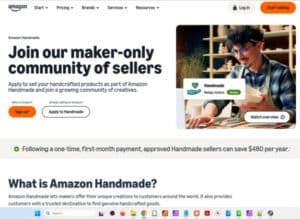
Amazon Handmade allows approved makers to sell qualifying handmade products within Amazon’s marketplace.
One advantage is exposure to customers who already shop on Amazon and are comfortable purchasing there.
Amazon Handmade may be particularly suitable for makers who can produce consistent inventory, fulfill orders reliably, and maintain accurate product listings.
Eligible products include handmade accessories, artwork, home goods, jewelry, stationery, pet products, and other approved categories.
Amazon requires makers to apply for Handmade approval. Approved sellers generally receive a waiver of the ongoing Professional selling subscription after the first month, while Handmade sales are subject to a referral fee of 15% or $0.30, whichever is greater.
Consider Amazon Handmade if you can produce multiple units of a product without losing the qualities that make it handmade.
For one-of-a-kind pieces, you’ll need to evaluate whether the listing and inventory management requirements are worthwhile. Amazon’s seller fees are 15% compared to Etsy’s 6.5% (as of this writing.)
3. Sell Crafts on eBay and Other Online Marketplaces
eBay isn’t known as much of a handmade marketplace as it was years ago, but it can be useful for certain products. And it does have a Handmade category. But seller fees include around 14% commission.
Examples include:
Vintage-inspired crafts
Collectible and specialty items
Handmade accessories
Craft supplies and surplus materials
Unusual products that appeal to collectors
Before listing, search for products similar to yours. Study asking prices, sold listings where available, shipping charges, and the types of products that attract buyers.
Other marketplaces and selling services may be worth investigating, including:
Artful Home — A juried marketplace for fine art and craft. Its selection process makes it more appropriate for established artists with a distinctive body of work.
Bonanza — A general online marketplace that may suit some handmade and specialty products. Investigate current traffic, fees, and seller activity before committing time.
Ruby Lane — Primarily associated with antiques, vintage goods, jewelry, and collectibles. Check whether your particular products meet its current selling requirements.
Big Cartel — A storefront platform for independent artists and creative sellers rather than a marketplace that automatically supplies shoppers.
Start with one platform like Etsy. If your sales grow, consider jumping into other marketplaces. A smaller number of storefronts you can manage will be easier to operate than a dozen ones you neglect.
4. Sell Handmade Products Through Your Own Website
An independent online store gives you more control over your brand, customer experience, and marketing.
You can use platforms such as Shopify or WooCommerce to create a storefront.
Advantages include greater control over your presentation, opportunities to build direct customer relationships, and less dependence on a single marketplace’s search algorithm.
The disadvantage is that you must attract your own traffic.
That might come from search engines, Pinterest, social media, email newsletters, craft shows, advertising, or referrals.
For many makers, a sensible approach is to begin on an established marketplace while gradually building an independent website and customer list.
5. Sell at Craft Shows, Art Fairs, and Festivals
Craft fairs and festivals remain among the most appealing places to sell handmade products because customers can see, touch, try on, and discuss your work. They also give you something online marketplaces can’t easily provide: immediate feedback.

You can discover which colors customers prefer, what they think about your prices, and which products attract attention.
But craft shows vary enormously. I’ve participated in hundreds of shows, and I’ve learned that attendance figures alone don’t tell you whether an event will be profitable.
A street festival attracting 150,000 visitors may be less suitable for your products than a smaller crafts fair where the attendees are enthusiastic buyers.
Before applying, investigate the event’s audience, booth fees, location, advertising, competition, and history.
Related resource: How to Find Craft Shows and Fairs to Sell Your Handmade Products
6. Sell at Local Farmers Markets
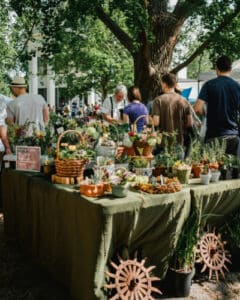
Local farmers markets aren’t just for vegetables. Many welcome local artisans selling their pottery, jewelry, soaps, candles, textiles, woodworking, and other handmade products.
These markets can be attractive because they may offer recurring opportunities to meet customers who shop every week. Someone who doesn’t buy during their first visit may return another week.
Before applying, check whether the market permits nonfood vendors, requires local production, or limits the number of sellers in each category.
Also consider whether your products fit the shopping habits and budgets of the market’s customers.
7. Sell Crafts Through Retail Stores
Selling wholesale to retail stores can open an entirely different market.
Instead of selling one item at a time to individual customers, you may sell a dozen or more products to a store owner in a single transaction.
Potential outlets include:
Gift shops
Boutiques
Tourist attractions
Hospital gift shops
Garden centers
Bookstores
Home décor stores
Specialty clothing stores
Marina and resort gift shops

I’ve sold my handmade products wholesale to stores and galleries in locations from Manhattan to the Grand Canyon. A maker could build a sizeable business just wholesaling, as long as the profit margin is there.
One advantage of wholesale is that the store handles the final sale to the customer.
Selling handmade products wholesale requires careful calculation. The retailer needs enough margin to operate profitably, and you still need to earn an acceptable return on your materials, labor, and overhead.
For example, if a store buys your product for $20 and sells it for $40, can you produce it profitably at the $20 wholesale price?
If not, wholesale may require redesigning the product, improving production efficiency, or finding a different market.
Related resource: How to Price Your Crafts
8. Sell Through Art Galleries and Consignment Shops
Galleries and consignment stores can be excellent outlets for makers who produce distinctive or one-of-a-kind work.
Pottery, weaving, sculpture, woodworking, jewelry, and original artwork are natural candidates.
There are two common arrangements:
Wholesale: The store purchases your merchandise outright and assumes responsibility for reselling it.
Consignment: You retain ownership until the item sells, and the store keeps an agreed percentage of the selling price.
Consignment can provide access to customers without requiring the retailer to purchase inventory upfront. However, your money is tied up until the product sells. At one point, I had many of my high-end pieces among eight consignment shops and boutiques. While I earned 50% of the sale, it was about the same amount of profit I made from shows after all the costs.
Always use a written agreement covering commissions, payment schedules, inventory records, returns, damage, theft, and unsold merchandise.
Visit the store before approaching its owner. Look at the quality, style, and price range of the merchandise already on display.
Your products should complement the store’s existing selection rather than duplicate it.
9. Sell Handmade Crafts at Specialty Expos
Here’s where I encourage makers to think beyond traditional craft fairs.
Why compete with dozens of jewelry sellers at a craft show if you could reach buyers who love your particular style of jewelry at an event devoted to their interests?
Consider these possibilities:
| Specialty event | Handmade products that might fit |
|---|---|
| Bridal shows | Wedding accessories, favors, jewelry, decorations |
| Pet expos | Collars, leashes, pet clothing, portraits |
| Home and garden shows | Pottery, woodworking, garden art, home décor |
| Boat shows | Nautical gifts, marine-themed artwork, accessories |
| Horse shows and rodeos | Western jewelry, hat bands, leather goods |
| Renaissance fairs | Costumes, leatherwork, jewelry, fantasy accessories |
| Comic and pop-culture conventions | Cosplay accessories, themed artwork, costume pieces |
| Fiber festivals | Handwoven products, yarn, spinning and weaving accessories |
| Holiday expos | Ornaments, gifts, decorations, personalized products |
These events attract people with specific interests.
A maker whose products closely match those interests may have an advantage over sellers offering unrelated merchandise.
For example, western-style hat bands might be especially appealing at a rodeo or horse show, while fantasy jewelry might find an enthusiastic audience at a Renaissance fair. At one craft fair, I was next to a jeweler who said she did really well at an antique car show held every year in New Orlean’s Superdome. I tried it with my woven pieces and did okay, but not enough to make me return.
Specialty events can also have restrictions on merchandise, licensing, demonstrations, or vendor categories, so investigate the rules before applying.
To locate trade shows and expos, explore industry event directories such as TSNN, along with event organizers’ websites.
10. Sell Crafts at Renaissance Fairs
Renaissance fairs deserve special attention because many visitors attend specifically to enjoy costumes, handcrafted merchandise, historical demonstrations, and immersive experiences. Ren fairs, as they are often called, can be lots of fun.
Products that may fit include leather accessories, handmade jewelry, cloaks, woven goods, fantasy-inspired accessories, pottery, and decorative metalwork. However, acceptance can be competitive, and some fairs require merchandise to match the event’s historical or fantasy theme.

Research each event’s vendor application requirements, booth presentation standards, and operating schedule.
A multiweekend Renaissance festival may create more selling opportunities than a one-day craft fair, but it also requires a greater commitment of time and inventory.
11. Sell Crafts at Home Parties and Trunk Shows
Home parties give makers an opportunity to present products to a smaller, invited audience.
They’re particularly suitable for merchandise customers enjoy trying on, handling, or seeing demonstrated.
Examples include jewelry, accessories, clothing, home décor, and personalized gifts.
A host invites friends or acquaintances, and you bring a selection of products. A trunk show is a similar concept, often held in a boutique, gallery, or other retail location.
These events can help build customer relationships and generate referrals. The key is to make the experience more like a party rather than turn it into a high-pressure sales presentation. The first year I learned weaving, my sister invited a group of her friends and hosted a home party for my work. In about an hour, I sold close to $300 in product.
12. Sell Through Cafés, Restaurants, and Other Local Businesses
Sometimes the best places to display handmade products aren’t retail stores at all.
Restaurants, coffee shops, hotels, salons, and professional offices may welcome artwork or handmade décor that enhances their surroundings. For example, a café might display original paintings or photographs with price tags and the artist’s contact information.

A salon might offer locally made jewelry or hair accessories near its checkout counter.
Before approaching a business, consider whether its customers are likely to buy your products and whether the business has suitable display space.
Agree in advance on commissions, payment arrangements, insurance, and responsibility for damaged or missing merchandise.
Choose businesses where your work enhances the environment rather than competing for attention.
13. Sell Directly From Your Studio
Some artists and craft makers welcome customers into their studios or workshops.
This can work particularly well for pottery, weaving, woodworking, glasswork, painting, and other crafts where visitors enjoy seeing how products are made.
I opened a small studio gallery outside of Santa Fe, New Mexico in an art and craft village called Madrid. It was fun getting to weave at the place and having customers from all around the world walk through. They always wanted to buy the piece I was working on.
Like I did, you might demonstrate your process, explain your materials, and let customers select finished pieces.
 Communities with active arts scenes often organize studio tours or open-studio weekends. These events give visitors a reason to explore several artists’ work in one trip.
You don’t necessarily need a permanent retail shop like I had. An occasional open-studio event may be enough to test demand.
Be sure to consider accessibility, parking, local regulations, insurance, and whether your workspace is suitable for visitors.
14. Sell Handmade Products to Corporate Buyers
Businesses purchase gifts for employees, clients, customers, and special events.
That creates opportunities for makers who can produce distinctive products in small or medium quantities.
Possible products include:
Handmade awards and recognition gifts
Custom pottery or desk accessories
Branded gift boxes
Locally themed gifts for conferences
Holiday gifts for employees
Personalized products for clients
Gifts for fundraising events
A local company might want 25 handmade gifts for its employees, or a professional association might order 100 items for an annual event.
The important questions are whether you can produce the quantity consistently, meet the deadline, and earn a reasonable profit.
Corporate buyers may also require samples, invoices, customization, or specific packaging.
15. Sell Crafts Through Museum Shops and Tourist Attractions
Tourist destinations can be especially good markets for products with a regional identity.
Consider museum stores, national park concession shops, visitor centers, historic attractions, resorts, and locally owned gift shops. One of my beloved shops was a national park store in the Grand Canyon. Can you imagine traveling there once or twice a year?
Visitors often want something that reminds them of their trip. A handmade product connected to local traditions, wildlife, architecture, or cultural history may have a stronger appeal than a generic souvenir.
Research the store’s merchandise and customer base before making a proposal.
And if your designs draw on traditional cultural imagery or techniques, make sure you represent their origins accurately and respect applicable intellectual property and cultural protections.
16. Sell at Pop-Up Shops, Vendor Carts, and Temporary Retail Locations
Temporary retail arrangements can provide an alternative to opening a permanent store.
Examples include:
Holiday pop-up shops
Shared artisan retail spaces
Shopping mall kiosks
Vendor carts
Temporary storefronts
Seasonal markets
Short-term retail collaborations
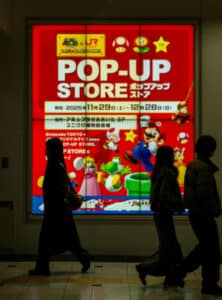
A temporary location lets you test whether a particular shopping area attracts buyers for your products.
Before you sign up, figure out your rent, insurance, displays, payment processing, and inventory requirements before committing.
A holiday kiosk in a busy mall may generate substantial sales, but it can also carry significant costs.
17. Sell Through Social Media and Local Online Communities
Social platforms can help makers reach customers without relying entirely on a large handmade marketplace.
Facebook Marketplace may be useful for local products, especially items that are expensive or inconvenient to ship.
Instagram, Pinterest, and Facebook pages can also help people discover your work and direct them to an approved purchasing channel.
Most social platforms have shopping apps built in. You still need a way to accept payments, manage orders, communicate with customers, and handle shipping or pickup.
18. Find Selling Opportunities Through Arts Organizations
State and local arts councils, chambers of commerce, tourism offices, and economic development organizations can be valuable sources of information.
They may know about:
Art walks and studio tours
Public exhibitions
Festivals and community celebrations
Artist markets
Temporary retail opportunities
Grants and business development programs
Public art commissions
Local tourism promotions
These organizations may also help you make connections with galleries, event organizers, and retailers.
Check out your local libraries, community colleges, and cultural centers. Some host exhibitions, workshops, seasonal markets, or other opportunities for local makers.
19. Where Can You Sell Crafts With Less Competition?
This may be the most important question in the entire article. Most makers begin by asking where other people sell crafts.
That’s understandable. Established craft marketplaces already have customers. But those customers also have many competing products to choose from.
A better question is: Where are people who would love my products already gathering, shopping, or spending money?
Think about the interests your products serve. If you make pet accessories, look beyond craft shows to dog events, pet boutiques, and animal-related fundraisers.
If you make wedding jewelry, investigate bridal shows, wedding planners, and boutiques.
If you make western accessories, explore rodeos, horse shows, and western clothing stores.
If you make handcrafted home accessories, consider interior designers, home shows, and specialty retailers.
The goal isn’t simply to find a place with fewer sellers. It’s to find a place with fewer direct competitors and more customers who want what you make.
A simple exercise
Write down three things about your products:
Who is most likely to buy them?
What interests, activities, or occasions bring those people together?
Where do those customers already shop?
Then make a list of five selling opportunities outside the conventional craft marketplace.
You may discover a more promising audience than the one you’ve been targeting.
20. How to Choose the Best Place to Sell Your Crafts
Before investing in a new selling channel, compare these factors.
Customer fit
Does the audience want the kind of product you make? A large audience that isn’t interested in your merchandise has limited value.
Selling expenses
Include marketplace fees, booth rental, travel, shipping, packaging, payment processing, commissions, and advertising.
Your time
How many hours will you spend preparing, listing, promoting, traveling, setting up, selling, and fulfilling orders?
Profit potential
How much money remains after all expenses? Don’t confuse gross sales with profit.
Repeat business
Can customers find you again? A marketplace, craft show, or retail relationship that generates repeat purchases may be more valuable than one producing a single profitable weekend.
Production capacity
Can you make enough inventory to meet demand without sacrificing quality or exhausting yourself?
Control
How dependent will you be on someone else’s rules, fees, search algorithm, or event schedule? A diversified business can reduce some of these risks.
Compare the True Cost of Selling Handmade Products
Suppose you sell a handmade product for $40. Your materials, labor, and allocated overhead total $18. That leaves $22 before expenses associated with the selling channel. Now compare three hypothetical situations:
| Selling situation | Selling-related expenses | Amount remaining after production and selling expenses |
|---|---|---|
| Online sale | $6 | $16 |
| Craft show sale | $10 | $12 |
| Direct local sale | $2 | $20 |
These are illustrative figures, not typical fees or expected results.
The craft show expense might represent an allocation of booth fees, travel, and other event costs across the products sold.
The online expense might include marketplace fees, packaging, advertising, and shipping costs not reimbursed by the customer.
The local sale might require less direct expense, but still involve time spent finding and serving the customer.
The point is that a $40 sale isn’t equally profitable everywhere.
Use a consistent method for calculating costs so you can compare your selling opportunities fairly.
Free resource: Handmade Product Profit Calculator
Should You Sell Through More Than One Channel?
Possibly. Many craft artisans, including me, do. But I wouldn’t recommend launching on five platforms at once.
Begin with one primary selling channel and learn what works. Once you’ve developed reliable products, pricing, photographs, and customer service procedures, consider adding a second channel that reaches a different audience.
For example:
Etsy plus local craft fairs
Craft shows plus wholesale accounts
Amazon Handmade plus your own website
Gallery sales plus open-studio events
Online sales plus specialty conventions
Different channels may perform better at different times of year. Diversifying can help you maintain sales when one marketplace slows down or a particular event disappoints.
Frequently Asked Questions About Selling Handmade Crafts
Where is the best place to sell handmade crafts online?
Etsy and Amazon Handmade are established options, but the best choice depends on your products, selling prices, production capacity, and the fees you can afford. An independent website offers more control but requires you to attract customers.
Where can I sell handmade crafts locally?
Consider craft fairs, local farmers markets, art walks, gift shops, galleries, pop-up markets, community events, cafés, and open-studio tours. Specialty expos may also be worthwhile if your products appeal to a particular audience.
Can I sell crafts without opening an Etsy shop?
Yes. You can sell directly at events, through retail stores, by wholesale, on other marketplaces, through your own website, or to corporate buyers.
What handmade products sell best at craft fairs?
That depends on the event’s audience. Products that are easy to understand, attract attention, fit visitors’ budgets, and make appealing gifts may perform well. Testing your products at different events is more useful than assuming one category always sells best.
How can I sell handmade crafts without paying high fees?
Consider direct local sales, home parties, open studios, and your own website. However, low platform fees don’t necessarily mean low overall costs. Advertising, hosting, travel, payment processing, and your time still matter.
Can I sell crafts wholesale to stores?
Yes. Many gift shops, boutiques, galleries, and specialty retailers purchase handmade merchandise. You’ll need consistent products, dependable fulfillment, and wholesale prices that leave adequate profit for both you and the retailer.
Final Thoughts: Find the Buyers Who Want What You Make
There are more places to sell handmade crafts than most makers initially realize.
You can begin with Etsy, Amazon Handmade, craft fairs, or local markets. But don’t stop there.
Look at the businesses, events, organizations, and communities that serve people interested in your particular products.
Some of the best selling opportunities may be outside the traditional craft marketplace.
After years of selling handmade products through many different channels, I’ve found that choosing the right customers is every bit as important as making the right products.
Don’t just ask where you can sell crafts. Ask where your crafts have the best chance of being appreciated—and purchased.
More Resources for Growing Your Craft Business
For more detailed guidance on building an online craft business, see my book Sell Your Crafts Online, which draws on my experience selling handmade products through multiple online channels.