
Want to make money selling handmade crafts without spending a fortune on supplies?
Recycled and upcycled crafts are a great place to start. With a little creativity, you can turn discarded clothing, magazines, fabric scraps, and everyday household materials into products customers may be willing to buy.
Consider what happened at a craft booth where handmade bracelets made from recycled magazine pages were a hit. Each bracelet cost approximately $0.47 in materials and sold for $12. Twenty-three bracelets sold in just 43 minutes.
The lesson? The most profitable recycled crafts aren’t necessarily the most complicated or expensive to make.
But there’s a difference between making something creative and making something people want to buy.
In this guide, you’ll discover 17 recycled crafts to make and sell, along with estimated material costs, production times, selling prices, and real examples of young entrepreneurs earning money from their creativity.
You’ll also learn how to choose a project, calculate your costs, find customers, and avoid common mistakes when starting a small handmade business.
17 Recycled Things to Make and Sell: Quick Comparison
Not sure where to begin? This table compares the projects covered in this guide.
The selling prices are examples, not guaranteed prices. Your results will depend on craftsmanship, materials, customer demand, and where you sell.
| Recycled craft | Estimated production time | Possible selling price |
|---|---|---|
| Recycled sweater mittens | 45–90 minutes | $18–$35 |
| Candy-wrapper purses and wallets | 2–4 hours | $25–$65 |
| Recycled glass jewelry | 30–60 minutes | $15–$45 |
| Upcycled denim accessories | 1–3 hours | $20–$50 |
| Recycled paper bead jewelry | 15–30 minutes assembly, plus bead production | $12–$30 |
| Plastic bag yarn products | 1–8 hours | $15–$60 |
| Wine cork creations | 30 minutes–2 hours | $8–$35 |
| Upcycled book page art | 30 minutes–2 hours | $10–$40 |
| Skateboard furniture and décor | 1–4 hours | $25–$150 |
| Recycled T-shirt quilts and pillows | 1–12 hours | $25–$350 |
| Bottle cap magnets and art | 15 minutes and up | $8–$60 |
| Recycled leather accessories | 30–90 minutes | $15–$40 |
| Tin can planters and organizers | 30–60 minutes | $10–$50 |
| Upcycled window frame décor | 1–3 hours | $35–$120 |
| Recycled crayon creations | Approximately 1 hour per batch | $6–$12 |
| License plate art and furniture | 1–4 hours | $20–$1200 |
| Fabric scrap products | 15–45 minutes | $8–$18 |
Earnings Disclaimer: The sales and earnings examples in this article reflect individual experiences and are provided for illustrative purposes. Results are not typical or guaranteed. Your actual earnings will depend on factors such as product quality, pricing, customer demand, marketing efforts, and business expenses.
These estimates are starting points. Remember that inexpensive materials don’t automatically make a product profitable. Your time, equipment, packaging, and selling expenses matter too.
Why Recycled Crafts Are Great for Teen Entrepreneurs
Recycled crafts offer several advantages for teenagers interested in starting a small business.
Low startup costs. Many projects use materials you already have at home. You may be able to begin with less than $20, especially if you already own basic tools.
Opportunities to learn new skills. You’ll develop practical experience with production, pricing, marketing, customer service, and managing money.
Room for creativity. Recycled materials often have colors, textures, and patterns that make every finished piece different.
A story customers appreciate. Turning something discarded into a useful or attractive product gives you an interesting story to share with buyers.
A chance to test your ideas. You can often make a few inexpensive samples before committing to a larger inventory.
The challenge is finding the right combination of product, production time, selling price, and customer demand.
Let’s look at 17 possibilities.
Teen’s Guide to Making and Selling Upcycled Arts and Crafts takes you beyond project ideas and walks you through the business side of making money with crafts. [Explore the book on Amazon]
Now, let’s look at what’s actually selling.
1. Recycled Sweater Mittens
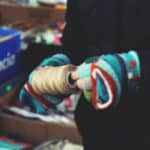 What they are: Cozy mittens made from felted wool sweaters.
-
Material cost: $0–$3 per pair
-
Production time: 45–90 minutes
-
Possible selling price: $18–$35
-
Where to sell: Etsy, craft shows, local winter markets
Old wool sweaters can be transformed into warm, attractive mittens.
Look for sweaters made from 100% wool. After felting the fabric, cut out a mitten pattern and sew the pieces together by hand or machine.
Why customers buy them: They’re practical, warm, and unique. The original sweater’s colors and textures make each pair distinctive.
Selling tip: Add a fleece lining for extra warmth and consider charging $5–$8 more. Thrift stores may offer better sweater prices during warmer months.
Example: Emma in Vermont earns approximately $200–$600 monthly from October through February selling sweater mittens on Etsy and at two local winter markets.
2. Candy Wrapper Purses and Wallets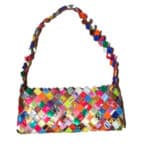
What they are: Small purses, wallets, and coin pouches made from woven candy wrappers.
-
Material cost: $0–$2
-
Production time: 2–4 hours
-
Possible selling price: $25–$65
-
Where to sell: Etsy, craft shows, social media
Colorful candy wrappers can be folded and woven into a durable, fabric-like material.
Collect wrappers, clean and flatten them, and fold them into strips. The strips can then be woven together and assembled into wallets, purses, and small bags.
Why customers buy them: They’re colorful, unusual, and conversation starters. Customers enjoy discovering that something attractive was made from discarded packaging.
Selling tip: Use wrappers from the same candy brand to create coordinated colors and patterns. Developing a recognizable style can help distinguish your products.
Example: One successful seller specializes in purses made from Starburst wrappers arranged in ombré patterns.
3. Recycled Glass Jewelry
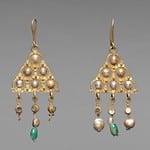 What it is: Necklaces, earrings, and bracelets made from beach glass, recycled bottle glass, or glass beads.
-
Material cost: $0–$8
-
Production time: 30–60 minutes
-
Possible selling price: $15–$45
-
Where to sell: Etsy, craft shows, local boutiques
Recycled glass jewelry combines creativity with an appealing environmental story.
Naturally tumbled beach glass can be especially attractive. You can also use recycled glass beads or safely tumbled glass.
Why customers buy it: Each piece is different, and the materials often have interesting colors, shapes, and origins.
Selling tip: Good-quality findings can increase the finished piece’s appeal. Sterling silver, copper wire wrapping, and attractive packaging may help justify higher prices.
If you collect beach glass, keep track of where you found it. Customers often enjoy knowing the story behind their jewelry.
Example: Mia collects beach glass during summer vacations and sells jewelry throughout the year. Her summer collection typically sells out by October.
4. Upcycled Denim Accessories
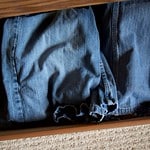 What they are: Bags, organizers, planters, patches, and accessories made from old jeans.
-
Material cost: $0–$5
-
Production time: 1–3 hours
-
Possible selling price: $20–$50
-
Where to sell: Etsy, craft shows, local markets
Old jeans are a useful source of durable fabric.
You can transform them into tote bags, crossbody bags, wall organizers, or decorative accessories.
The original pockets, stitching, and labels can become attractive design features.
Why customers buy them: Denim is familiar, durable, and versatile. Buyers appreciate seeing an ordinary pair of jeans transformed into something useful.
Selling tip: Preserve interesting details from the original jeans. Reinforce straps and seams, especially when making bags intended for everyday use.
Example: Jay specializes in crossbody bags made from old jeans with adjustable straps. He sells at three local weekend markets.
5. Recycled Paper Bead Jewelry
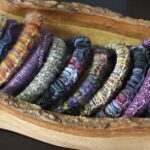
 What it is: Colorful jewelry made from rolled magazine pages, junk mail, and discarded paper.
-
Material cost: Usually under $1 per piece
-
Production time: 2–3 hours for a batch of beads, plus 15–30 minutes for assembly
-
Possible selling price: $12–$30
-
Where to sell: Etsy, craft shows, school events
Paper bead jewelry is one of the least expensive recycled crafts to try.
Cut colorful magazine pages into long triangular strips. Roll each strip tightly around a toothpick or bead-making tool, secure it with glue, and apply a protective finish.
Once the beads are dry, use them to make bracelets, earrings, and necklaces.
Why customers buy it: The beads are colorful, lightweight, and unique. Every magazine page produces a different pattern.
Selling tip: Make coordinated sets of earrings, bracelets, and necklaces. Offering matching pieces can increase the amount customers spend.
Example: Maryann sold 23 bracelets at a music festival at $12 each. Her total material cost was approximately $11, leaving about $265 after materials, before accounting for labor and other business expenses.
6. Plastic Bag Yarn Products
 What they are: Crocheted or knitted items made from plastic bag yarn, often called plarn.
-
Material cost: Often free for the bags themselves
-
Production time: 1–2 hours for smaller items; 4–8 hours for larger pieces
-
Possible selling price: $15–$60
-
Where to sell: Farmers markets, Etsy, eco-friendly shops
Plastic grocery bags can be cut into strips and joined to create yarn.
This material can be crocheted or knitted into baskets, market bags, mats, and other practical products.
Why customers buy them: Plarn products can be durable, water-resistant, and useful. The recycled-material story adds interest.
Selling tip: Sort plastic bags by color before making your yarn. Coordinated colors and patterns can make the finished products more attractive.
Pay attention to the number of hours required. Large crocheted items may have almost no material cost but substantial labor costs.
Example: Sophie makes plarn market bags while watching television and sells them at her local farmers market.
7. Wine Cork Creations
 What they are: Coasters, trivets, keychains, planters, and decorative products made from recycled corks.
-
Material cost: $0–$5
-
Production time: 30 minutes–2 hours
-
Possible selling price: $8–$35
-
Where to sell: Etsy, craft shows, wine festivals, local shops
Used wine corks can be arranged and assembled into useful household products.
Coasters and trivets are especially straightforward projects.
Why customers buy them: Cork has a natural appearance that works well with rustic and contemporary home décor. Wine enthusiasts may also appreciate the connection to their hobby.
Selling tip: Offer coasters in sets of four or six. Add protective backing to prevent scratching furniture.
Restaurants and other businesses may be willing to save corks for you, although teenagers should arrange sourcing through appropriate adult contacts where necessary.
Real-world selling observation: Etsy shops specializing in cork coasters have reported sales with prices around $12–$18 per set of four.
8. Upcycled Book Page Art
 What it is: Bookmarks, paper flowers, origami, framed art, and decorative products made from discarded book pages.
-
Material cost: $0–$8
-
Production time: 30 minutes–2 hours
-
Possible selling price: $10–$40
-
Where to sell: Etsy, craft shows, bookstores, libraries
Damaged or unwanted books can provide materials for creative paper crafts.
Old dictionary pages, maps, and illustrations are particularly interesting for decorative projects.
Why customers buy them: Book lovers appreciate literary themes, vintage designs, and personalized artwork.
Selling tip: Offer customization, such as a favorite word, name, or meaningful quotation. Framing can increase the perceived value.
Use legally appropriate artwork and text, particularly when reproducing copyrighted material.
Real-world selling observation: Sellers offering personalized dictionary page art have charged approximately $15–$25 for unframed pieces and $30–$50 for framed work.
9. Repurposed Skateboard Furniture and Décor
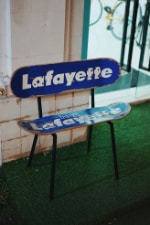 What it is: Shelves, hooks, wall art, and small furniture made from broken skateboard decks.
-
Material cost: $0–$10
-
Production time: 1–4 hours
-
Possible selling price: $25–$150
-
Where to sell: Skate shops, craft shows, Etsy, social media
Broken skateboard decks often have colorful graphics and strong laminated wood.
They can be transformed into shelves, coat hooks, wall art, and small furniture pieces.
Why customers buy them: Skateboard products appeal to customers who enjoy skate culture, distinctive graphics, and unusual home accessories.
Selling tip: Ask local skate shops whether they have damaged decks available. They may be willing to provide them in exchange for a product or a share of sales.
Use appropriate supervision and safety equipment when cutting, drilling, or sanding.
Real example: Mark makes skateboard shelves and coat hooks. He sells through Instagram and on consignment at a local skate shop.
10. Recycled T-Shirt Quilts and Pillows
What they are: Memory quilts and decorative pillows made from old T-shirts.
-
Material cost: $0–$15 in the original project estimates, depending on materials and product size
-
Production time: 1–2 hours for pillows; 6–12 hours for quilts
-
Possible selling price: $25–$45 for pillows; $75–$350 for quilts
-
Where to sell: Etsy, local markets, custom orders
Old T-shirts often have sentimental value.
Sports shirts, concert shirts, school shirts, and family keepsakes can become pillows or quilts that preserve memories.
Why customers buy them: These products make meaningful graduation, birthday, and holiday gifts.
Selling tip: Focus on custom orders. Customers may be willing to pay more for products made from their own treasured shirts.
Allow sufficient time for communication, design approval, construction, and delivery.
Real-world selling observation: Makers offering smaller T-shirt quilts have charged approximately $150–$200 with turnaround times of two to three weeks.
Because quilts require substantial labor, calculate your hourly earnings carefully before accepting orders.
11. Bottle Cap Magnets and Art
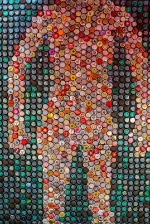 What they are: Refrigerator magnets, coasters, and wall art made from discarded bottle caps.
-
Material cost: $0–$3
-
Production time: 15–30 minutes per magnet, longer for larger projects
-
Possible selling price: $8–$25 for magnet sets; $30–$60 for wall art
-
Where to sell: Etsy, craft shows, local markets
Bottle caps can become colorful magnets, decorative mosaics, and personalized gifts.
Add printed images, decorative paper, or other embellishments.
Why customers buy them: They’re inexpensive, fun, and easy to personalize.
Selling tip: Create themed sets and offer attractive packaging. Magnets are particularly suitable for impulse purchases.
Use caution with sharp edges, strong adhesives, and resin products. Some materials require adult supervision and proper ventilation.
Real-world selling observation: Sets of four to six magnets have sold for approximately $12–$18.
12. Upcycled Leather Bracelets and Accessories
 What they are: Bracelets, keychains, bag tags, and small accessories made from old leather goods.
-
Material cost: $0–$5
-
Production time: 30–90 minutes
-
Possible selling price: $15–$40
-
Where to sell: Etsy, craft shows, boutiques
Old leather jackets, belts, and scraps can be transformed into useful accessories.
Leather can be cut, braided, stamped, or combined with metal hardware.
Why customers buy them: Leather is durable and often associated with quality. Simple designs can appeal to a broad range of customers.
Selling tip: Personalization can increase value. Stamped initials, names, or meaningful words make attractive gifts.
Choose hardware carefully. A bracelet’s clasp or a keychain’s ring should be strong enough for everyday use.
Real-world selling observation: Braided leather bracelets with adjustable closures have sold for approximately $18–$25, while personalized stamped pieces have sold for $30–$40.
13. Tin Can Planters and Organizers
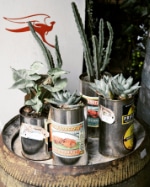 What they are: Decorative planters, desk organizers, and containers made from cleaned food cans.
-
Material cost: $0–$3
-
Production time: 30–60 minutes
-
Possible selling price: $10–$25 individually; $35–$50 for sets
-
Where to sell: Craft shows, farmers markets, Etsy, plant shops
Empty food cans can become attractive containers with paint, fabric, decoupage, or twine.
They work particularly well as herb planters and desk organizers.
Why customers buy them: They’re affordable, practical, and easy to coordinate with home décor.
Selling tip: Offer coordinated sets of three in different sizes. Herb garden kits can make appealing gifts.
Smooth sharp edges carefully and provide drainage for planters where appropriate.
Real-world selling observation: Decorated herb garden sets containing three cans and herb seeds have sold for approximately $40–$50. Individual decorated cans have sold for around $12–$15 at farmers markets.
14. Upcycled Window Frame Decor
 What it is: Picture frames, chalkboards, and wall decorations made from discarded window frames.
-
Material cost: $0–$15
-
Production time: 1–3 hours
-
Possible selling price: $35–$120
-
Where to sell: Craft shows, Facebook Marketplace, local home décor shops
Old wooden window frames can be transformed into distinctive decorative pieces.
They can hold photographs, artwork, chalkboards, or seasonal decorations.
Why customers buy them: Vintage frames have character and appeal to shoppers who enjoy rustic or farmhouse-style décor.
Selling tip: Provide sturdy hanging hardware and make sure the finished product is safe to display.
Be particularly careful with older windows, which may contain lead-based paint. Avoid disturbing unknown old coatings without appropriate precautions.
Real-world selling observation: Larger decorative window frames have sold for approximately $80–$150, while smaller pieces have sold for $35–$60.
15. Recycled Crayon Creations
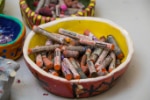 What they are: New crayons made by melting and reshaping broken crayon pieces.
-
Material cost: $0–$8 per batch
-
Production time: Approximately one hour per batch
-
Possible selling price: $6–$12 per set
-
Where to sell: Craft shows, school events, local gift shops
Broken crayons can be sorted by color and melted into silicone molds to create new shapes.
Popular designs include animals, hearts, stars, letters, and seasonal themes.
Why customers buy them: They’re colorful, affordable, and suitable for party favors and gifts.
Selling tip: Create themed sets and offer quantity pricing for party favors.
Because these products are intended for children, pay attention to applicable product safety requirements, age labeling, and the materials used. Melting crayons also requires adult supervision.
Real-world selling observation: Party favor sets containing approximately 10 crayons and a decorative tag have sold for $10–$15.
16. License Plate Art and Furniture
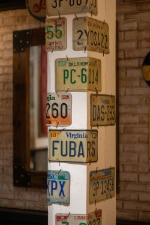 What it is: Wall art, signs, house numbers, and decorative products made from old license plates.
-
Material cost: $0–$20
-
Production time: 1–4 hours
-
Possible selling price: $30–$200
-
Where to sell: Etsy, craft shows, automotive events
Discarded license plates can be transformed into colorful decorative products.
Popular ideas include state-shaped wall art, personalized names, house numbers, and garage decorations.
Why customers buy them: License plates have nostalgic appeal, especially when they feature a customer’s home state or a place with personal meaning.
Selling tip: Offer customized designs. Personalization can justify higher prices than generic wall art.
Make sure the plates are legally obtained and no longer in use. Smooth sharp metal edges before selling finished products.
Real-world selling observation: Personalized license plate art has sold for approximately $20–$1200, while state map designs have sold for $50–$150.
17. Fabric and Found Object Scrap Products
 What they are: Scrunchies, headbands, bookmarks, keychains, and accessories made from leftover fabric.
-
Material cost: $0–$2
-
Production time: 15–45 minutes
-
Possible selling price: $8–$18
-
Where to sell: Etsy, craft shows, social media, school events
Fabric scraps are ideal for making small accessories.
Leftover sewing materials, discarded clothing, and remnant fabrics can be transformed into products with very little additional expense.
Why customers buy them: Small fabric accessories are affordable, practical, and available in countless colors and patterns.
Selling tip: Make coordinated sets and experiment with seasonal colors. Bundles of three scrunchies may attract customers looking for gifts.
Real-world selling observation: Some active sellers have moved scrunchies weekly through social commerce, with individual prices around $8–$12.
How to Choose the Best Recycled Craft to Sell
With 17 possibilities, how do you decide which one to try?
Start by asking yourself five questions.
1. What materials do I already have?
Look around your home before buying supplies. Old clothing, magazines, fabric scraps, and other discarded materials may provide everything you need for your first project.
2. What skills and tools do I have?
Paper bead jewelry requires very little equipment. Sewing projects may require a sewing machine. Furniture projects may require power tools. Choose something you can make safely and confidently.
3. How long will each item take?
A product that takes 20 minutes to make may be more profitable than one requiring several hours, even if the larger product sells for more.
4. Who will buy it?
Think about your likely customers before making inventory. Would your product appeal to teenagers, parents, tourists, gift shoppers, pet owners, or home decorators?
5. Where can I test it?
Start with a few samples. Ask potential customers for feedback, and look for opportunities to test your products before making a large inventory.
My Recommendation for Beginners
If you’re just starting, consider recycled paper bead jewelry or fabric scrap accessories. Both offer low material costs, relatively simple construction, and opportunities to experiment with colors and designs. Make five items and test the response.
One actual sale can teach you more about customer demand than hours of guessing.
Where to Sell Recycled Crafts?
Choosing where to sell is just as important as choosing what to make.
Local Craft Shows and Community Markets
Craft fairs, school events, community festivals, and neighborhood markets give you opportunities to meet customers face-to-face.
They’re especially useful for testing new products because you can observe what attracts attention and hear customer feedback.
Before applying, ask about booth fees, age requirements, permits, and whether an adult must accompany you.
Etsy
Etsy offers access to shoppers looking for handmade and personalized products.
Jewelry, accessories, home décor, and customized gifts may be good candidates.
However, competition can be significant, and fees affect your profits.
Etsy also has rules for sellers under 18. Minors ages 13–17 may participate only under the required supervision and account ownership of a parent or legal guardian. Check Etsy’s current policies before opening a shop.
Instagram and TikTok
Social media can help you show how your products are made, tell the story behind your recycled materials, and attract interested customers.
Short videos showing the transformation from discarded material to finished product can be particularly engaging.
However, social media accounts and shopping features have age restrictions. A parent or guardian may need to manage selling activities.
Facebook Marketplace
Local selling can be useful for larger products such as furniture, window frame décor, and skateboard shelves.
Facebook Marketplace generally requires users to be adults. Teenagers should work with a parent or guardian rather than creating an account that violates platform rules.
Your Own Website
Once you have regular sales and know which products customers want, you might consider creating your own website.
A website gives you greater control over your presentation and customer relationships, but you’ll need to attract visitors yourself.
For most beginners, it’s better to prove that customers want your products before investing in a full online store.
How to Price Your Recycled Crafts for Profit
One of the biggest mistakes beginning craft sellers make is setting prices based only on material costs. Just because your materials were free doesn’t mean your finished product should be inexpensive. Customers are buying your creativity, craftsmanship, time, and the value of the finished product.
Calculate Your Actual Costs
Start with this formula:
Total Cost = Materials + Labor + Packaging + Overhead + Selling Expenses
Then add the profit you want your business to earn.
Selling Price = Total Cost + Desired Profit
For example, suppose you make a recycled paper bead bracelet.
| Expense | Amount |
|---|---|
| Materials | $0.50 |
| Labor: 30 minutes at $15/hour | $7.50 |
| Allocated overhead | $0.80 |
| Packaging and selling expenses | $1.20 |
| Total estimated cost | $10.00 |
If you sell the bracelet for $18, your estimated business profit is $8.
That’s separate from the $7.50 already included for your production labor.
However, there’s another important question:
Will customers pay $18 for your bracelet?
You need to research comparable products and test customer demand.
If buyers are unwilling to pay enough to cover your costs and desired profit, look for ways to reduce production time, improve the product’s perceived value, or choose a different market.
Try Our Free Handmade Product Pricing Calculator
Before you decide on a selling price, experiment with different costs and prices using our free handmade product pricing calculator.
It helps you estimate profit per item, account for labor and other expenses, and compare retail and wholesale pricing.
For a more detailed explanation, read How to Price Crafts: A Practical Guide to Profitable Handmade Pricing.
Five Common Mistakes Teen Craft Sellers Should Avoid
1. Making Too Much Inventory Before Testing Demand
It’s tempting to make dozens of products when you’re excited about an idea. Start with five or ten items instead. See what customers respond to before investing more time and money.
2. Ignoring Your Production Time
A product that takes eight hours to make and sells for $40 generates only $5 per hour before materials and other expenses. A product that takes 45 minutes and sells for $18 generates $24 per hour before expenses. Neither figure is your actual profit, but comparing production time with selling price helps you identify promising products.
3. Spending Too Much Time Finding Free Materials
Free supplies aren’t always free when you consider transportation and time. If you spend four hours driving around collecting materials, include that effort when evaluating whether the product is worth making.
4. Overlooking Packaging and Presentation
A well-made product deserves attractive presentation. Simple labels, clean packaging, and a short explanation of the recycled materials can make your work more appealing. You don’t need expensive packaging. You need packaging that looks thoughtful and professional.
5. Failing to Track Your Results
Keep records of your costs, production time, selling prices, and sales. Which products sell fastest? Which earn the most profit? Which customers buy them? Use what you learn to decide what to make next.
Your Seven-Day Plan for Starting a Recycled Craft Business
You don’t need to spend months planning before testing your first product. Here’s a simple one-week schedule.
Days 1–2: Choose your product. Select a recycled craft that matches your skills, available materials, and likely customers.
Days 3–4: Make five samples. Keep track of your materials and production time.
Day 5: Calculate your costs and take photographs. Use natural light and a clean background to show your products clearly.
Day 6: Research selling opportunities. Look for suitable community events, school markets, or online selling options you can use with appropriate adult involvement.
Day 7: Show your products to potential customers. Ask for feedback, test your prices, and begin planning your first sales opportunity.
You may not make your first sale within seven days, but you’ll have taken the important steps toward finding out whether your idea has business potential.
Ready to Turn Your Craft Ideas Into a Business?
Recycled crafts offer a way to combine creativity, environmental awareness, and entrepreneurship.
You don’t need expensive supplies or a large workshop to begin. You need a product people want, a price that covers your costs, and a way to reach customers.
Start small. Test your ideas. Learn from your customers.
And remember: The goal isn’t simply to sell more crafts. It’s to build a business that rewards you for your time and creativity.